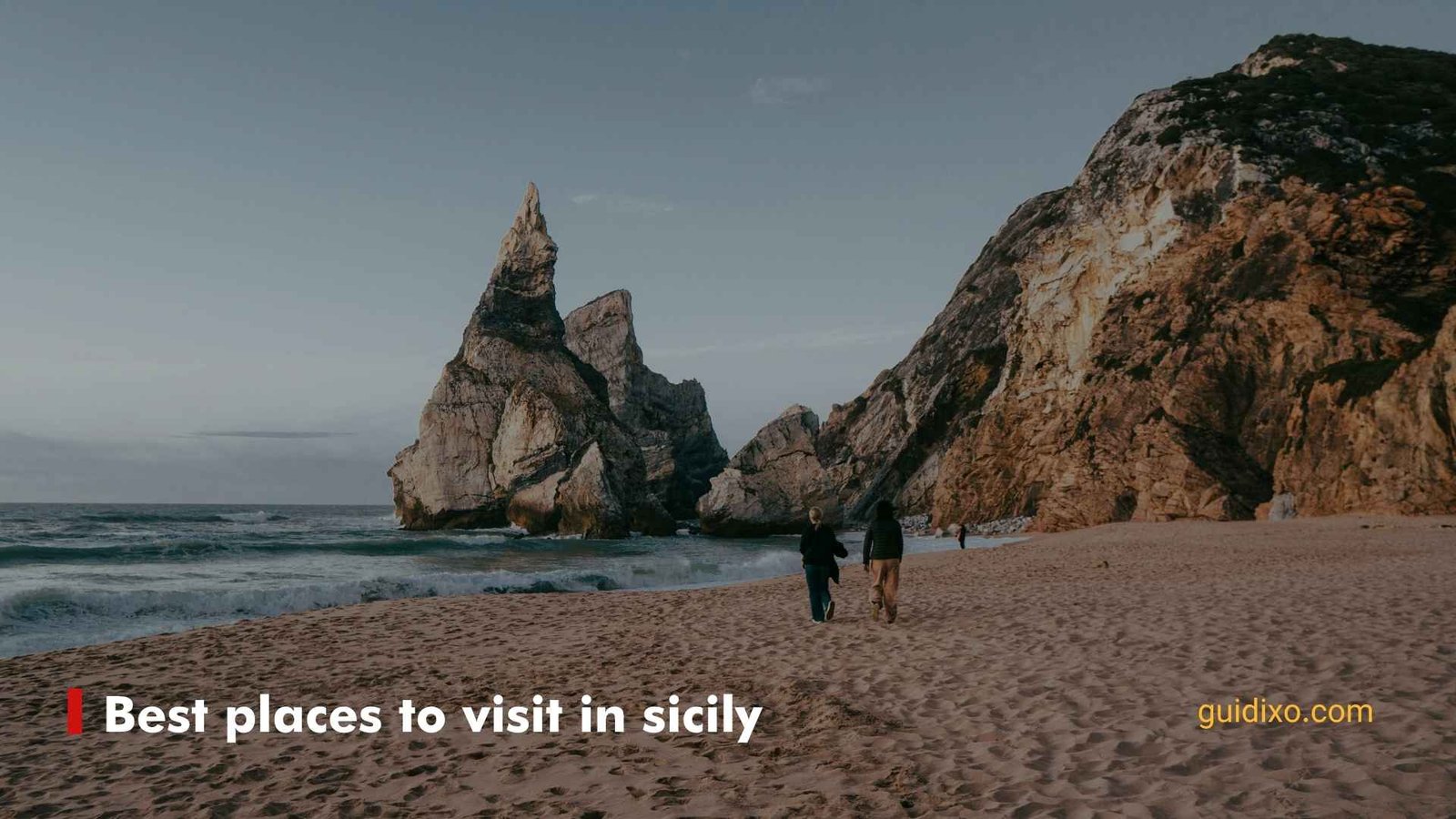
Sicily is a land of ancient echoes, volcanic grandeur, and crystalline seas. As the largest island in the Mediterranean, it serves as a bridge between cultures—a place where Greek temples meet Norman cathedrals and vibrant street markets bustle with the energy of a thousand years of history. If you are seeking the glitz of Ionian cliffside retreats, the quietude of baroque hilltop towns, or the rugged wilderness of its nature reserves, Sicily offers an unmatched diversity of experiences. This guide is curated for the discerning traveler looking to navigate this complex, beautiful island with ease and authenticity.
Quick Answer
The best places to visit in Sicily include Taormina for luxury and iconic views, Palermo for chaotic, authentic city energy and street food, Ortigia (Syracuse) for historic charm, Cefalù for classic seaside relaxation, and Ragusa Ibla for stunning baroque architecture. For nature lovers, the Aeolian Islands and Mount Etna offer world-class volcanic landscapes, while the Zingaro Nature Reserve provides pristine, rugged coastal hiking.
Quick Comparison Table
| Place | Best For | Top Attraction | Best Time | Budget |
| Taormina | Luxury & Views | Teatro Antico | Apr-Jun | High |
| Palermo | Culture & Food | Palermo Cathedral | Sep-Oct | Mid |
| Ortigia | History & Vibes | Duomo di Siracusa | May-Sep | Mid |
| Cefalù | Beach Relaxation | Spiaggia di Cefalù | Jun-Aug | Mid |
| Ragusa Ibla | Baroque Beauty | Duomo di San Giorgio | Spring/Fall | Low-Mid |
| Mount Etna | Adventure | Summit Craters | May-Oct | Mid |
| Favignana | Island Escape | Cala Rossa | Jun-Sep | Mid |
Best Places to Visit
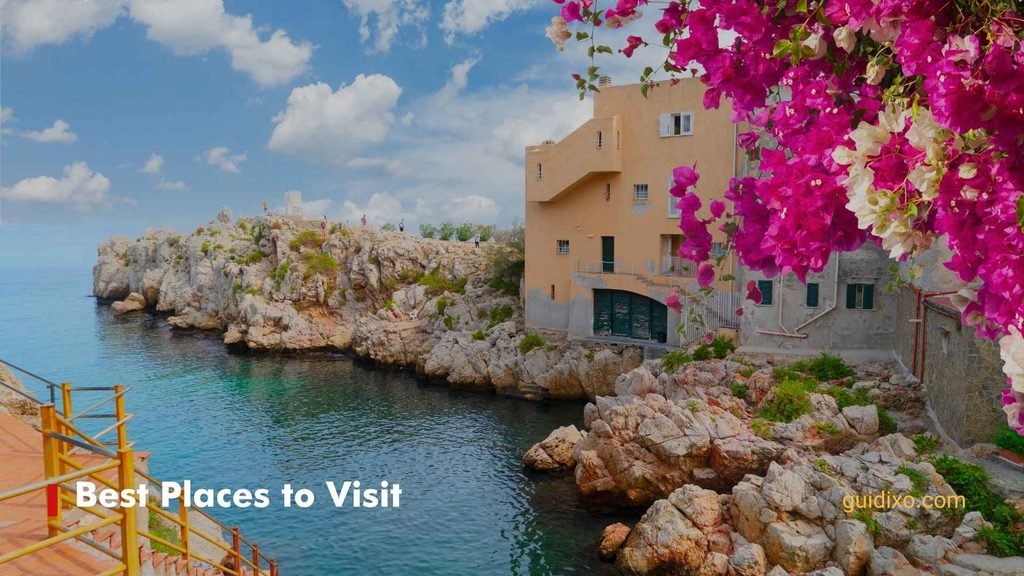
1. Taormina: The Pearl of the Ionian
Taormina is Sicily’s most famous resort town, perched high above the sea with breathtaking views of Mount Etna. It is synonymous with the “good life,” offering a blend of ancient history, upscale shopping, and dramatic cliffside scenery.
- Why It Made the List: It perfectly balances historic significance with modern luxury.
- Top Things to Do: Walk the Corso Umberto, tour the Greek Theatre, and take the cable car down to Isola Bella.
- Traveler Tip: Visit the Greek Theatre early in the morning to beat the crowds and enjoy the mountain vistas in silence.
2. Palermo: The Cultural Crossroads
Palermo is an intense, intoxicating mix of grit and glory. As the capital, it captures the soul of Sicily through its Norman-Arab-Byzantine architecture and legendary street food markets like Ballarò and Vucciria.
- Why It Made the List: It is the heart of Sicilian heritage and culinary innovation.
- Top Things to Do: Visit the Palermo Cathedral, explore the Capuchin Catacombs, and feast on arancini and panelle.
- Traveler Tip: Skip the tourist traps and head to local markets for the most authentic and affordable street food.
3. Ortigia (Syracuse): The Historic Gem
Ortigia, the tiny island heart of Syracuse, feels like an open-air museum. Connected by two bridges, it is a maze of white limestone streets, baroque piazzas, and sea-front promenades.
- Why It Made the List: It is arguably the most romantic and walkable destination in Sicily.
- Top Things to Do: Wander the backstreets to the Duomo, enjoy an evening aperitivo on the Lungomare, and swim off the rocks near Forte Vigliena.
- Traveler Tip: Spend at least two nights here to fully soak in the atmosphere after the day-trippers leave.
4. Cefalù: The Quintessential Seaside Town
With its towering rocky headland, yellow-sand beach, and Norman cathedral, Cefalù is the postcard-perfect Sicilian town. It offers a relaxed vibe that appeals to families and couples alike.
- Why It Made the List: It combines beach convenience with significant historical landmarks.
- Top Things to Do: Climb La Rocca for panoramic views, swim in the clear waters, and dine in the old port.
- Traveler Tip: The beach can get crowded; look for smaller coves just west of the main town for more space.
5. Ragusa Ibla: The Baroque Masterpiece
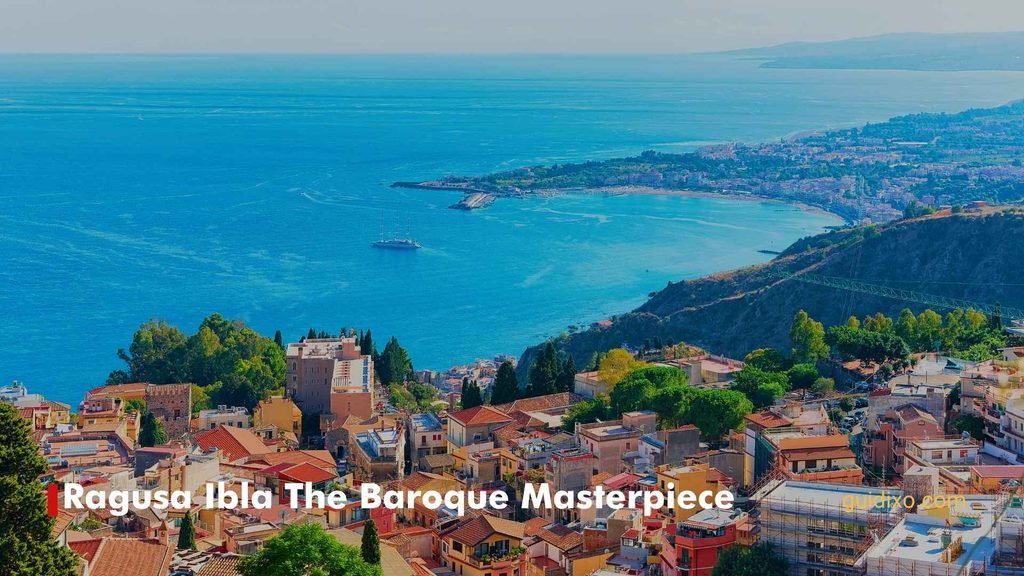
Ragusa is divided into two parts, but the “Ibla” section is a dream of winding alleys and steep staircases punctuated by stunning baroque churches. It feels like a movie set.
- Why It Made the List: It offers a quieter, more authentic look at inland Sicilian village life.
- Top Things to Do: Visit the Duomo di San Giorgio, explore the Giardino Ibleo, and enjoy slow, gourmet meals in local trattorias.
- Traveler Tip: Stay in Ibla, not the “new” upper town, to be in the center of the historic beauty.
Hidden Gems
- The Madonie Mountains: A regional park filled with ancient forests and hidden medieval villages like Gangi and Castelbuono. Perfect for hikers who want to escape the coastal humidity.
- Vendicari Nature Reserve: A protected wetland south of Noto, home to migratory flamingos, Byzantine ruins, and the stunning, secluded Calamosche beach.
- Stagnone Lagoon (Marsala): A shallow lagoon where you can visit the ancient Phoenician island of Mothia. It is the best place to witness a Sicilian sunset.
How to Choose the Right Destination
- For First-Timers: Base yourself in Palermo or Syracuse (Ortigia) for the best mix of culture and accessibility.
- For Beach Lovers: Prioritize Cefalù, San Vito Lo Capo, or the Egadi Islands.
- For Foodies: Palermo for street food, and Modica/Ragusa for world-class chocolate and fine dining.
- For Luxury Travelers: Taormina is unmatched in terms of high-end service and views.
- For Budget Travelers: Explore the inland hill towns where accommodation and food prices are significantly lower than in popular coastal spots.
Travel Costs (Per Person Daily)
| Category | Budget | Mid-Range | Luxury |
| Accommodation | €35–50 | €120–180 | €300+ |
| Food & Drink | €40–60 | €70–120 | €150+ |
| Transport | €10–20 | €40–60 | €100+ |
| Activities | €10–20 | €30–50 | €80+ |
| Total | €95–150 | €260–410 | €630+ |
Best Time to Visit
The “sweet spot” for visiting Sicily is during the shoulder seasons: April–June and September–October.
- Spring: Perfect for hiking and sightseeing as the countryside is in full bloom.
- Summer (July–August): Extremely hot and crowded. Ideal only if you plan to spend the entire time at the beach or on a boat.
- Fall: Warm seas and fewer tourists. Excellent for wine harvest experiences.
- Winter: Very affordable and quiet, but expect cooler temperatures and some attractions to have limited hours.
Safety Tips
- Pickpocketing: Be vigilant in crowded markets (especially in Palermo and Catania) and train stations.
- Driving: Sicilian driving can be aggressive. If you aren’t comfortable with narrow streets and bold maneuvers, rely on the train network or private transfers.
- Sun Safety: In July and August, the heat is intense. Always carry water and avoid strenuous activities between 1:00 PM and 4:00 PM.
- Emergency: Always keep your embassy information handy and ensure your travel insurance covers mountain/adventure activities if hiking Mt. Etna.
Packing Checklist
- Layers: Even in summer, nights in hill towns can be cool.
- Comfortable Walking Shoes: You will be traversing centuries-old cobblestones and stairs.
- Modest Attire: Carry a light scarf or shawl for visiting churches (required for shoulders/knees).
- High-SPF Sunscreen: The Mediterranean sun is deceptive and powerful.
- Reusable Water Bottle: Many town squares have fresh, free drinking fountains.
Frequently Asked Questions
- How many days do I need for Sicily? To see the main highlights without rushing, plan for 7 to 10 days. If you want to explore the island in depth, 14 days is ideal to comfortably travel from the east to the west coast.
- Is it better to rent a car? A car is essential for exploring rural areas, nature reserves, and hidden beaches. However, for city centers like Palermo or Catania, a car is a liability; use public transport there.
- Is Sicily safe for solo travelers? Yes, Sicily is generally safe. Stick to well-lit, populated areas at night and use common sense. Locals are typically very welcoming and helpful to solo visitors.
- Do I need to speak Italian? In major tourist areas, English is widely spoken. However, learning basic phrases like “Buongiorno” (Good day) and “Grazie” (Thank you) is highly appreciated by locals.
- What is the best food to try? Don’t miss arancini (fried rice balls), cannoli (ricotta-filled pastries), pasta alla Norma (eggplant pasta), and the world-class fresh seafood.
- Are credit cards widely accepted? Yes, in hotels, restaurants, and shops, but keep cash (Euros) for small cafes, markets, and street food vendors.
- Can I drink the tap water? Tap water is generally safe in cities, but most locals and tourists prefer bottled water or the water from public mountain fountains for taste.
- Is Sicily expensive? It can be as cheap or as expensive as you choose. It is generally more affordable than Rome or Venice, especially once you step away from the major tourist hubs.
Key Takeaways
- Prioritize Strategy: Sicily is large. Focus on either the East (Taormina/Syracuse) or the West (Palermo/Trapani) for a one-week trip.
- Timing Matters: Choose spring or fall to avoid the sweltering heat and peak-season crowds.
- Embrace the Culture: Eat the street food, linger in the piazzas, and allow the “slow” pace of the island to dictate your schedule.
- Travel Ethically: Respect historic sites and support local businesses in smaller, less-visited mountain villages.
Conclusion
Sicily is not merely a destination; it is an experience that demands your full attention. From the bustling energy of Palermo to the quiet, ancient beauty of the baroque heartland, the island offers a richness that few places on earth can rival. By planning your trip during the shoulder seasons and balancing the must-see icons with a few hidden gems, you will find that Sicily is not just a place you visit, but a place you feel. Start your journey in 2026—the island is ready to welcome you.

I am Sienna Marlowe, a passionate travel writer fascinated by beautiful places, local culture, and unforgettable experiences. I enjoy researching destinations that offer something special, whether famous or hidden. Through my writing, I help readers discover the best places to visit and find inspiration for their next adventure.
Books:
- Beautiful Places: A Guide for Curious Travellers
- Hidden Corners and Unforgettable Journeys