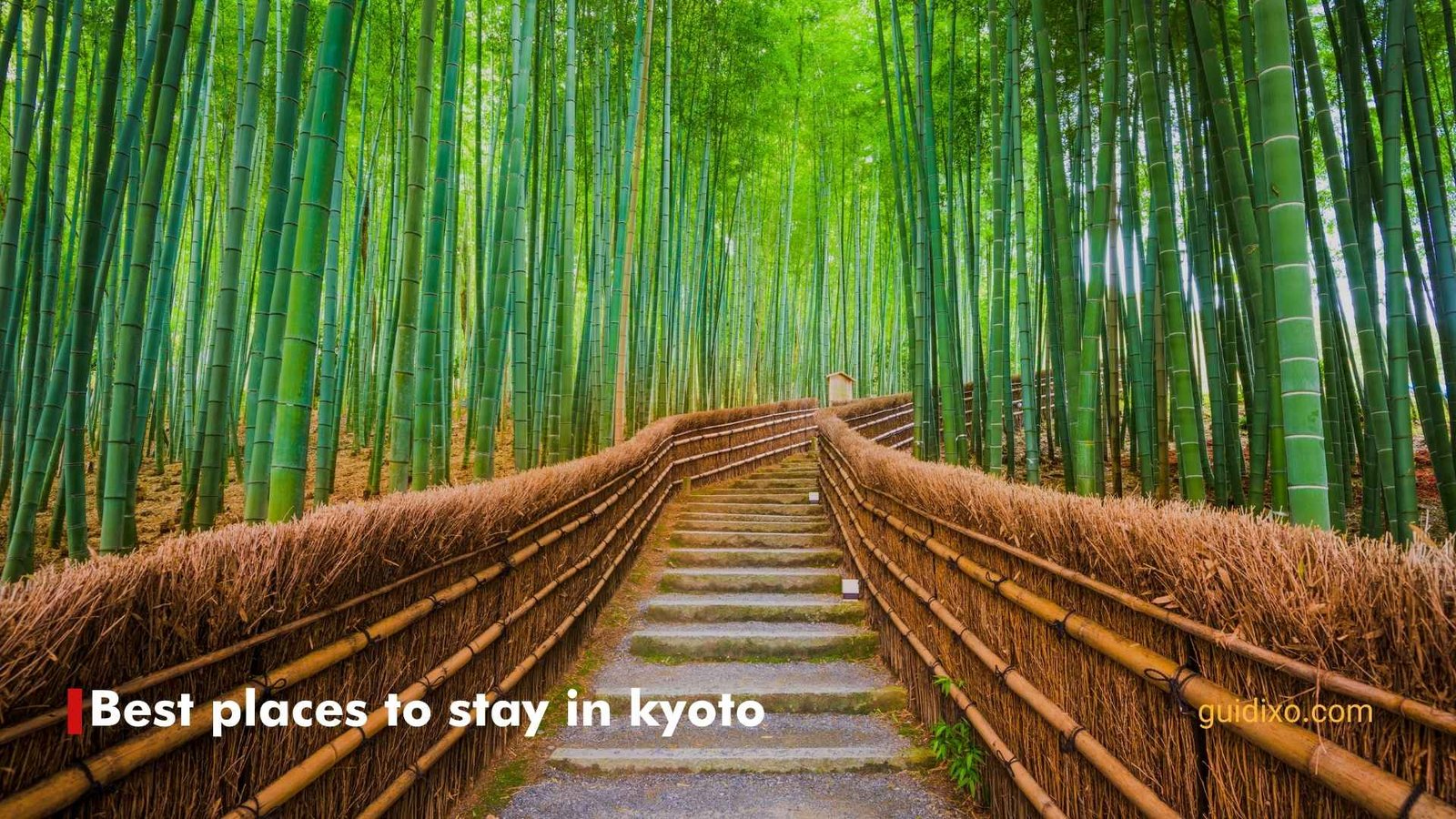
Kyoto is a city where time feels fluid—a place where neon-lit modern convenience sits comfortably beside thousand-year-old wooden temples. Choosing where to stay in this former imperial capital is the most important decision you will make for your trip, as Kyoto is surprisingly vast and geographically diverse. Whether you are looking to wake up to the sound of temple bells in a preserved historic district or prefer the high-energy convenience of the central transport hub, the right neighborhood acts as the gateway to your Japanese adventure. This guide is designed for every traveler, from luxury-seeking couples to budget-conscious families, helping you navigate Kyoto’s unique districts to find your perfect home base.
Quick Answer
The best places to stay in Kyoto depend on your priorities: Higashiyama offers the most atmospheric, historic experience near iconic temples; Kyoto Station provides unmatched convenience for day-trippers; Gion is the go-to for culture and nightlife; and Kawaramachi/Downtown is perfect for foodies and shoppers. Each district balances accessibility with distinct cultural character.
Quick Comparison Table
| Place | Location | Best For | Top Attraction | Budget | Family Friendly |
| Higashiyama | Eastern Kyoto | Atmosphere | Kiyomizu-dera | High | Yes |
| Kyoto Station | Central South | Transport | Kyoto Tower | Mid | Yes |
| Gion | Eastern/Central | Culture/History | Yasaka Shrine | Luxury | Moderate |
| Kawaramachi | Central | Shopping/Dining | Nishiki Market | Mid | Yes |
| Arashiyama | Western Outskirts | Nature/Scenery | Bamboo Grove | High | Yes |
| Pontocho | Central | Fine Dining | Kamo River | Luxury | No |
Best Places to Stay in Kyoto
1. Higashiyama: The Historic Heart
Higashiyama is where the “old Kyoto” of your imagination lives. Narrow, stone-paved streets connect wooden machiya houses and century-old teahouses.
- Why It Made the List: It is the most photogenic district and puts you within walking distance of Japan’s most famous temples.
- Best For: Couples seeking romance and travelers who want to be immersed in history.
- Top Attractions: Kiyomizu-dera Temple, Kodai-ji, Sannenzaka Slope.
- Travel Tip: Book a traditional ryokan (inn) here for an authentic experience involving tatami mats and kaiseki dining.
- Local Food to Try: Yudofu (simmered tofu), a local Buddhist specialty.
2. Kyoto Station Area: The Modern Gateway
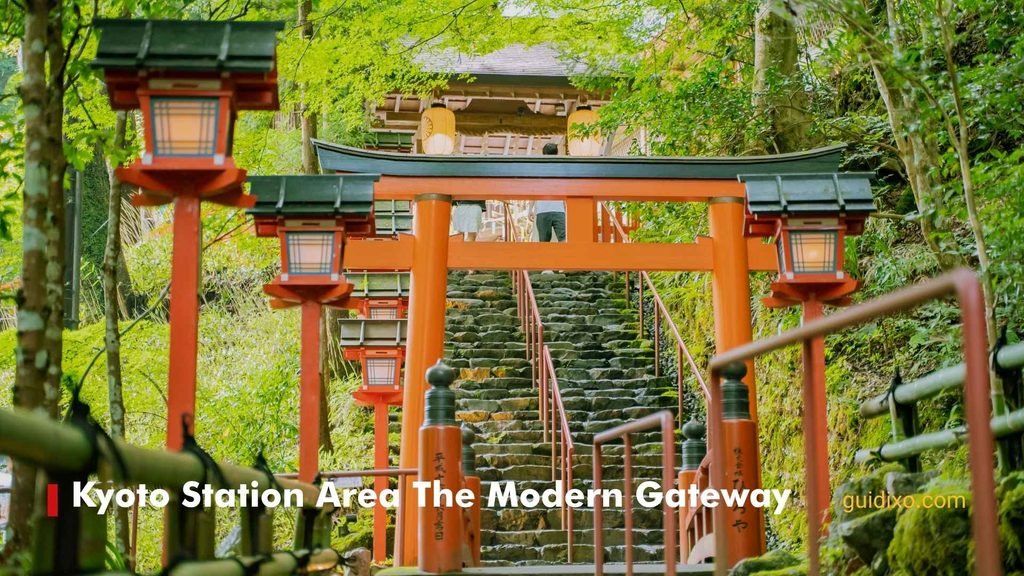
Often overlooked for its modern exterior, the area surrounding Kyoto Station is a marvel of urban planning and convenience.
- Why It Made the List: It is the central hub for the Shinkansen (bullet train), subway lines, and local bus networks.
- Best For: First-time visitors and those planning day trips to Nara or Osaka.
- Top Attractions: Kyoto Tower, Higashi Hongan-ji Temple, Aeon Mall.
- Travel Tip: Stay on the Hachijo-guchi side (south) for easier access to trains and generally cheaper hotel rates.
- Suggested Stay: 3–5 days.
3. Gion: The District of Geisha
Gion is arguably the most famous district in Japan, known for its wooden teahouses and the elusive geiko and maiko (geisha).
- Why It Made the List: It offers unparalleled evening charm and an atmosphere that transports you back to the Edo period.
- Best For: Travelers wanting to experience traditional arts, upscale dining, and nightlife.
- Top Attractions: Hanamikoji Street, Yasaka Shrine, Shirakawa Canal.
- Fun Fact: Photography is restricted on some private streets in Gion to respect the privacy of the working geisha.
- Ideal Travelers: Couples, luxury travelers.
4. Kawaramachi: The Pulse of Downtown
If Kyoto has a “center,” this is it. It is where the department stores, underground malls, and high-end restaurants converge.
- Why It Made the List: It provides the best balance of late-night dining options and shopping accessibility.
- Best For: Foodies and those who love city energy.
- Top Attractions: Nishiki Market (“Kyoto’s Kitchen”), Kamo River.
- Travel Tip: Walk along the Kamo River at sunset; it is a local favorite for casual gatherings.
5. Arashiyama: A Riverside Sanctuary
Located on the western edge of the city, Arashiyama feels like a retreat into a lush mountain valley.
- Why It Made the List: It is home to the iconic bamboo forests and serene riverside temples.
- Best For: Nature lovers and travelers looking to escape the city bustle.
- Top Attractions: Bamboo Grove, Tenryu-ji Temple, Iwatayama Monkey Park.
- Suggested Visit Duration: 1–2 nights for a quiet retreat.
Hidden Gems
- Kurama & Kibune: Located in the northern mountains, these villages offer incredible hot springs and forested shrines. Perfect for those seeking a quiet mountain escape.
- Shimogyo District: Just west of the station, this area features local cafes and neighborhood shrines that see very few international tourists compared to Gion.
How to Choose the Right Destination
- Budget: Choose Kawaramachi for value hotels or Kyoto Station for business-style accommodations.
- Activity Level: Stay in Higashiyama if you enjoy walking long distances through hilly, historic streets.
- Family Needs: The Kyoto Station area is best for families because of the proximity to elevators, malls, and direct transport links.
- Travel Style: If you are a slow traveler, prioritize a machiya vacation rental in a quiet residential area like northern Higashiyama.
Travel Costs
| Category | Budget Range (Per Day) |
| Accommodation | $80 – $350+ |
| Food | $30 – $100 |
| Transportation | $10 – $20 |
| Attractions | $5 – $25 |
| Total Daily Est. | $125 – $495+ |
Best Time to Visit
- Spring (late March – early April): The cherry blossom season is magical but crowded and expensive.
- Autumn (November): The fall foliage is spectacular; the weather is mild and comfortable.
- Summer (July/August): Extremely hot and humid, but festivals like Gion Matsuri are once-in-a-lifetime events.
- Winter (January/February): Cold, but quiet. You will have temples almost entirely to yourself.
Safety Tips
- Kyoto is incredibly safe, even at night.
- Always keep your hotel business card in your wallet—taxi drivers appreciate it when you cannot navigate the language barrier.
- Respect quiet hours; the locals value silence in residential neighborhoods.
Packing Checklist
- Slip-on Shoes: Essential for frequent entry and exit of temples and restaurants.
- Portable Wi-Fi: Navigation is easier with constant connectivity.
- Lightweight Rain Gear: Sudden showers are common in the mountains.
- Comfortable Walking Shoes: Expect to walk 15,000+ steps per day.
Frequently Asked Questions
- Is it better to stay in Kyoto or Osaka? Kyoto is better for culture and history; Osaka is better for nightlife and food. Most travelers choose Kyoto to experience the traditional atmosphere.
- How many days should I stay in Kyoto? Three to four days is the minimum to see the major highlights without rushing.
- Are Ryokans worth the cost? Yes. They offer a deep cultural immersion through communal baths, kaiseki meals, and traditional Japanese aesthetics.
- Is the public transport easy to use? Yes, the bus and subway systems are excellent, though buses can get very crowded during peak seasons.
- Do I need cash? While cards are more common now, small shops and shrines still strictly accept cash.
- Can I walk between all the major sites? No, the city is too spread out. Use a combination of subways, buses, and taxis.
- Is Kyoto family-friendly? Very. Most sites are accessible, and the city is clean and safe for children.
- What should I avoid booking? Avoid hotels located far from train or bus lines, as travel time will eat into your sightseeing hours.
Key Takeaways
- Location is everything: Prioritize proximity to the subway or major bus lines.
- Experience the Ryokan: Spend at least one night in a traditional inn for the full Kyoto experience.
- Seasonality matters: Book 6–9 months in advance for cherry blossom and autumn foliage seasons.
- Mix your days: Pair popular tourist spots with quieter neighborhood walks to find the true soul of the city.
Conclusion
Kyoto is a city that rewards those who choose their base wisely. By aligning your accommodation with your travel style—whether that is the historic charm of Higashiyama, the convenient modern pulse of the station area, or the refined culture of Gion—you unlock a seamless way to explore this breathtaking destination. As you plan your stay in Kyoto, keep in mind that the best memories often happen in the quiet moments between the famous landmarks. Choose your neighborhood, embrace the culture, and get ready to experience Japan’s timeless beauty.

I am Rowan Fletcher, a travel writer who enjoys discovering remarkable places and sharing what makes them worth visiting. From peaceful villages and historic landmarks to lively cities and hidden attractions, I explore destinations with curiosity. My goal is to help readers find memorable places and plan experiences they will truly enjoy.
Books:
- Britain’s Hidden Places Worth Exploring
- The Traveller’s Guide to Unforgettable Destinations