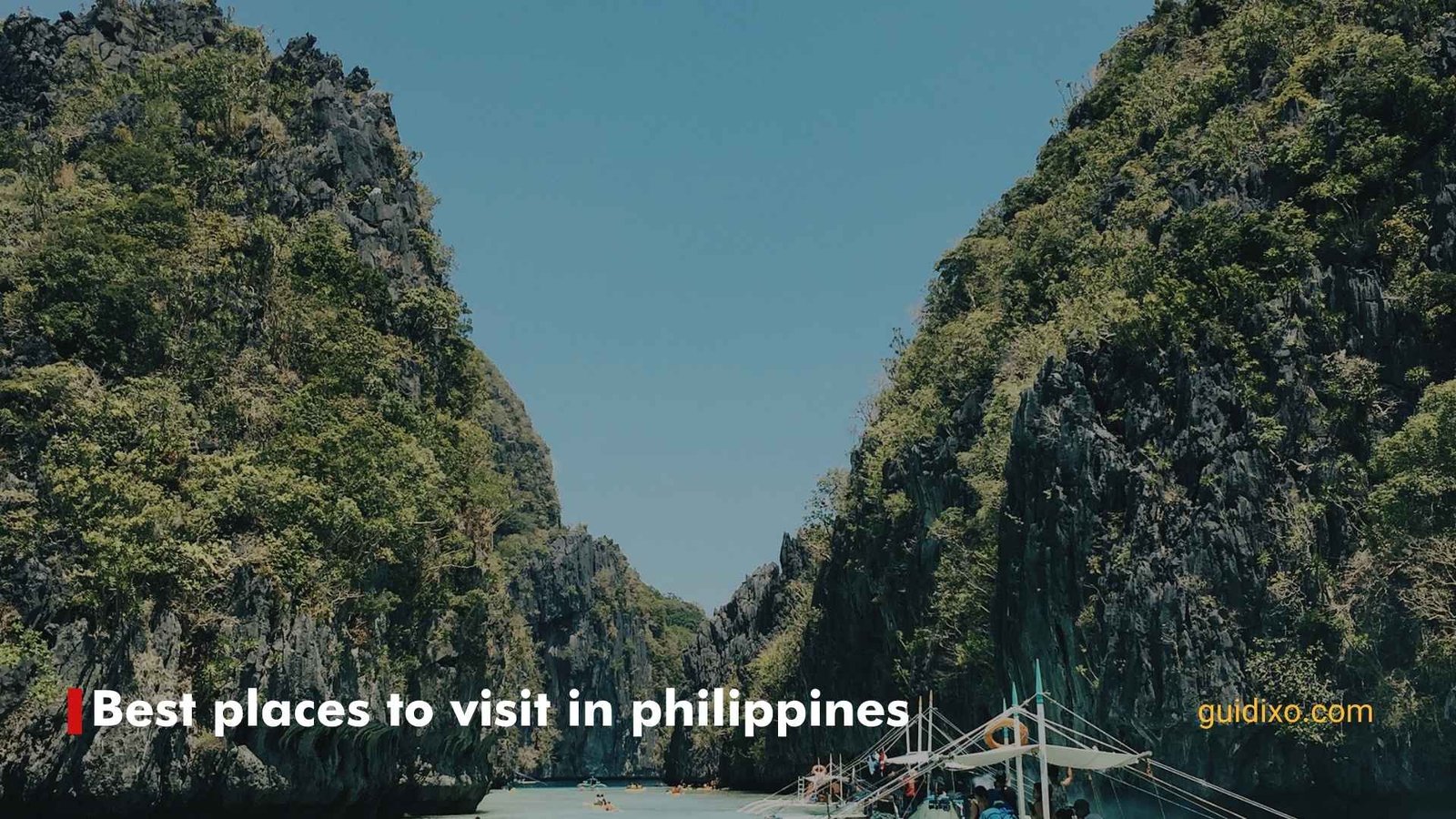
The Philippines is an archipelago of over 7,600 islands, offering a kaleidoscope of experiences ranging from world-class diving and pristine white-sand beaches to rugged mountain ranges and vibrant urban centers. Whether you are seeking a tranquil escape, an adrenaline-fueled adventure, or a deep dive into a rich cultural tapestry, this diverse nation delivers. This guide is designed for every type of traveler—from the luxury seeker to the budget-conscious backpacker—to help you navigate the best places to visit in the Philippines and craft the trip of a lifetime.
Quick Answer: The Highlights
The Philippines is defined by its dramatic diversity. Palawan (El Nido and Coron) is best for island hopping and lagoons; Boracay offers iconic beaches and nightlife; Siargao is the undisputed surf capital; Cebu provides a mix of heritage and nature; and the Banaue Rice Terraces offer awe-inspiring mountain culture. Choose your destination based on your primary interest: beaches, surf, adventure, or cultural immersion.
Quick Comparison Table
| Place | Best For | Top Attraction | Best Time | Avg. Budget | Family Friendly |
| El Nido | Island Hopping | Big Lagoon | Nov–May | Moderate | Yes |
| Boracay | Beaches/Nightlife | White Beach | Dec–April | Moderate | Yes |
| Siargao | Surfing/Vibe | Cloud 9 | March–Oct | Low–Mod | No |
| Cebu | Nature/Heritage | Kawasan Falls | Dec–May | Moderate | Yes |
| Banaue | Culture/Hiking | Rice Terraces | March–May | Low | No |
| Coron | Wreck Diving | Kayangan Lake | Dec–April | Moderate | No |
| Bohol | Nature/Wildlife | Chocolate Hills | Nov–April | Moderate | Yes |
The Best Places to Visit in the Philippines
1. El Nido, Palawan
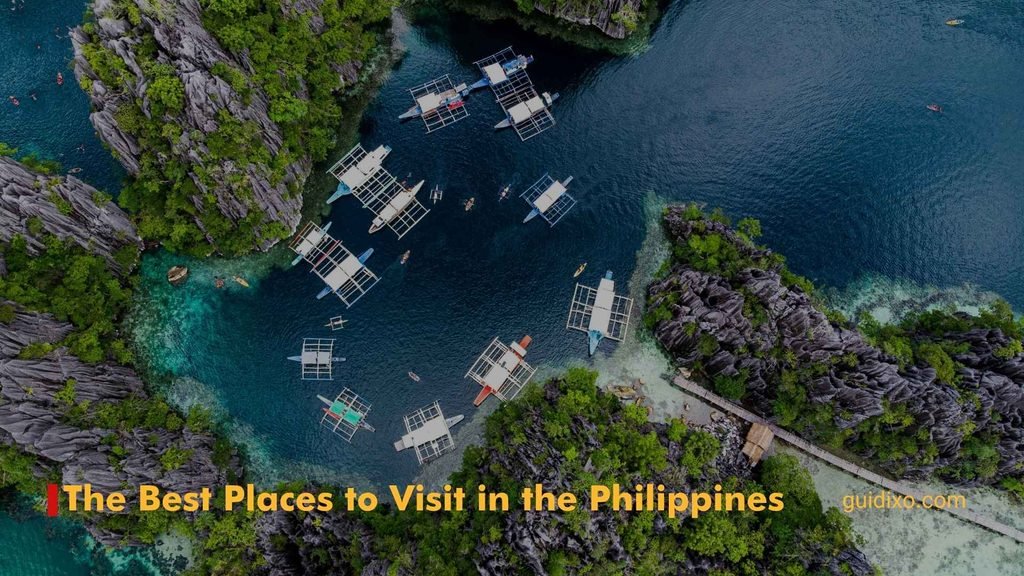
El Nido is the crown jewel of Philippine tourism. Known for its towering limestone karsts rising from turquoise waters, it feels like a scene from a fantasy novel.
- What Makes It Special: The sheer verticality of the karst cliffs against crystal-clear lagoons.
- Best Things to Do: Island hopping tours (A, B, C, and D), kayaking in Big Lagoon, and sunset watching at Las Cabanas.
- Travel Tip: Book tours in advance, and carry a dry bag for all boat excursions.
- Local Food to Try: Kinilaw (Filipino ceviche).
- Suggested Stay: 4–5 days.
2. Boracay, Aklan
After its temporary closure for rehabilitation, Boracay has returned cleaner and more regulated. It is the premier destination for those who want accessibility and world-class white sand.
- What Makes It Special: The four-kilometer stretch of powdery, white sand that stays cool even under the direct sun.
- Top Attractions: White Beach, Puka Shell Beach, and Paraw sailing.
- Ideal Travelers: Families, couples, and luxury travelers.
- Fun Fact: Boracay was once a quiet fishing village before its discovery as a tourist hub in the 1970s.
3. Siargao, Suriano del Norte
Siargao has transformed from a sleepy surf retreat into a vibrant, bohemian island paradise that captures the hearts of creative, active travelers.
- What Makes It Special: The laid-back, “island life” atmosphere paired with world-class waves.
- Top Attractions: Cloud 9, Magpupungko Rock Pools, and Sugba Lagoon.
- Best Things to Do: Surf lessons, motorbiking through coconut palm forests, and night out in General Luna.
- Suggested Stay: 5–7 days.
4. Cebu City and Island
Cebu is the central hub of the Visayas, offering a perfect blend of urban history and raw natural beauty. It is an ideal base for multi-day explorations.
- What Makes It Special: Accessibility to both deep-sea diving and mountain waterfalls.
- Top Attractions: Kawasan Falls, Magellan’s Cross, and Oslob Whale Sharks (though research responsible practices first).
- Local Food to Try: Cebu Lechon (often cited as the best roast pork in the world).
- Fun Fact: Cebu is the oldest city in the Philippines, established by the Spanish in 1565.
5. Bohol
Bohol is a nature lover’s sanctuary, famous for its geological oddities and unique wildlife.
- What Makes It Special: The Chocolate Hills—a landscape of over 1,200 symmetrical hills that turn brown in the dry season.
- Top Attractions: Chocolate Hills, Tarsier Sanctuary, and Loboc River Cruise.
- Ideal Travelers: Families and nature photographers.
- Travel Tip: Rent a scooter to explore the interior at your own pace.
6. Coron, Palawan
If you are an underwater enthusiast, Coron is non-negotiable. It is the wreck diving capital of the Philippines.
- What Makes It Special: The haunting beauty of World War II Japanese shipwrecks accessible to divers.
- Top Attractions: Kayangan Lake (the cleanest lake in Asia) and Barracuda Lake.
- Travel Tip: If you aren’t a diver, the snorkeling in Coron is arguably better than in El Nido.
7. Banaue and Batad
For those who prefer mountains over beaches, the Cordillera region offers a breathtaking glimpse into indigenous heritage.
- What Makes It Special: The 2,000-year-old rice terraces carved into the mountains by the ancestors of the Ifugao people.
- Best Things to Do: Hiking through the terraces and visiting local villages.
- Best Time to Visit: March to May, when the rice is vibrant green.
Hidden Gems: Beyond the Tourist Path
- Siquijor: Known locally for folk healing, this “Isle of Fire” features stunning waterfalls like Cambugahay and a mystical reputation that keeps it authentic.
- Batanes: Situated at the northernmost tip of the country, it resembles the rolling hills of Scotland or Ireland. It is expensive to reach, but the isolation provides unmatched serenity.
- Camiguin: A small volcanic island with more volcanoes per square kilometer than anywhere else on earth. Perfect for hot springs and sunken cemeteries.
How to Choose the Right Destination

Selecting where to go depends on your travel style:
- For Adrenaline: Siargao or Coron.
- For Relaxation: Boracay or a private resort in Palawan.
- For Culture: Banaue or Vigan.
- For Families: Cebu or Bohol (easier transportation and infrastructure).
- Budget: Northern Luzon is generally more affordable than the popular island destinations.
Travel Costs (Estimated Daily Budget)
| Expense Type | Budget (USD/Day) | Mid-Range (USD/Day) | Luxury (USD/Day) |
| Accommodation | $15–$30 | $50–$100 | $200+ |
| Food | $10–$15 | $20–$40 | $60+ |
| Transportation | $5–$10 | $15–$30 | $50+ |
| Daily Total | $30–$55 | $85–$170 | $310+ |
Best Time to Visit
The Philippines has two primary seasons:
- Dry Season (November–May): The ideal time for beach activities and island hopping. Peak season is December through February.
- Wet/Typhoon Season (June–October): Characterized by higher humidity and occasional storms. However, prices are lower, and crowds are thinner.
Safety and Practical Tips
- Stay Informed: Monitor local weather apps (PAGASA) during the rainy season.
- Hydration: Always drink bottled or filtered water; avoid tap water.
- Money: While cards are accepted in major cities, carry sufficient Philippine Pesos (PHP) for remote islands.
- Connectivity: Buy a local SIM card (Smart or Globe) at the airport for reliable data coverage.
Essential Packing Checklist
- Universal Travel Adapter: Type A, B, and C are common.
- Reef-Safe Sunscreen: Many marine parks prohibit regular sunscreen.
- Lightweight Rain Jacket: Essential for tropical downpours.
- Dry Bag: A must-have for boat trips.
- Sturdy Walking Shoes: Especially for hiking in the Cordilleras.
Frequently Asked Questions
Is it safe for tourists to travel to the Philippines?
Yes, the Philippines is generally safe for tourists. As with any travel, exercise standard precautions in urban areas. Tourist-heavy islands like Palawan, Boracay, and Bohol are well-policed and accustomed to international visitors. Always follow local advice and stay updated on travel advisories for specific regions.
Do I need a visa for the Philippines?
Many nationalities can enter the Philippines visa-free for up to 30 days. It is essential to check the current entry requirements based on your passport citizenship via the Philippine Department of Foreign Affairs website before booking your flight.
What is the best way to travel between islands?
Domestic flights (Cebu Pacific, Philippine Airlines) are the most efficient way to travel between major hubs. Ferries are an excellent, budget-friendly alternative for shorter distances, such as between Cebu and Bohol or Iloilo and Bacolod.
Is English widely spoken?
English is one of the official languages of the Philippines and is used in government, education, and business. You will find that almost everyone in tourist destinations speaks excellent English, making navigation and communication very easy for international travelers.
What is the currency, and are credit cards widely used?
The currency is the Philippine Peso (PHP). Major hotels, upscale restaurants, and malls in cities accept credit cards. However, in small towns and on remote islands, cash is king. Always carry enough pesos to cover your daily expenses.
Can I drink the tap water?
It is strongly advised against drinking tap water in the Philippines. Stick to bottled water, which is readily available, or utilize refillable water stations that provide purified, safe drinking water. Most hotels and resorts provide safe drinking water to guests.
What should I wear?
Light, breathable clothing is best due to the tropical climate. Modest attire is appreciated in rural areas and religious sites. Pack a light sweater for air-conditioned buses or flights and a rain jacket for unexpected showers.
Are there many bugs or mosquitoes?
Like most tropical destinations, mosquitoes exist, particularly during the rainy season. Use insect repellent, especially during sunrise and sunset, to prevent bites.
Key Takeaways
- Diversity is Key: From the world’s best beaches to ancient mountain terraces, the country offers unique experiences for every traveler.
- Logistics: Domestic flights are your best friend for island hopping; always plan travel around the dry season (Nov–May).
- Local Culture: Filipinos are renowned for their hospitality; engaging with locals is often the highlight of the trip.
- Responsible Tourism: Always practice “Leave No Trace” principles to protect the delicate marine and mountain ecosystems.
Conclusion
The Philippines is more than just a destination; it is an experience that lingers long after you have returned home. Whether you are diving into the limestone-guarded lagoons of El Nido, finding your rhythm on the surf breaks of Siargao, or standing in awe before the ancient terraces of the north, the country promises discovery at every turn. By planning your trip around your preferred travel style and respecting the natural beauty of these islands, you ensure an unforgettable journey. Pack your bags, keep an open mind, and get ready to experience the unmatched warmth and wonder of the Philippine archipelago.

I am Sienna Marlowe, a passionate travel writer fascinated by beautiful places, local culture, and unforgettable experiences. I enjoy researching destinations that offer something special, whether famous or hidden. Through my writing, I help readers discover the best places to visit and find inspiration for their next adventure.
Books:
- Beautiful Places: A Guide for Curious Travellers
- Hidden Corners and Unforgettable Journeys