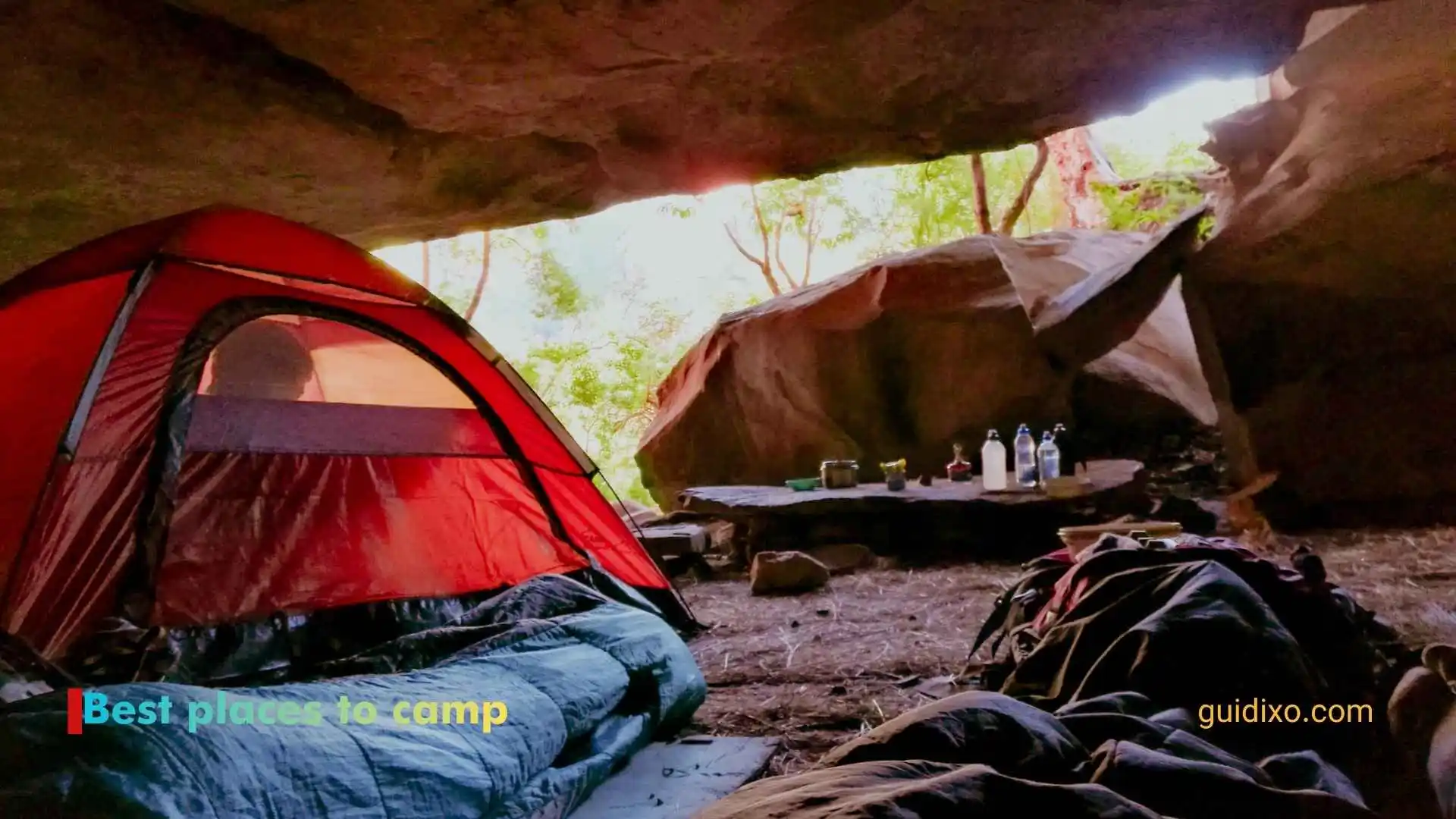
There is a profound, primal satisfaction in waking up to the smell of pine needles, the sound of a rushing river, or the sight of a sunrise breaking over a mountain range. Camping is more than just a temporary change of scenery; it is an immersive experience that reclaims your connection to the natural world.
If you crave the high-altitude thrills of the Rockies, the tranquil solitude of a secluded forest, or the rhythmic crashing of ocean waves on a cliffside, finding the perfect campsite is the foundation of an unforgettable adventure. This guide is designed for everyone from weekend warriors and families looking for accessible amenities to seasoned backcountry explorers seeking true wilderness isolation.
Quick Answer: The Premier Camping Destinations
The best places to camp balance accessibility, natural beauty, and unique experiences. Top tier destinations include Yosemite National Park (California) for granite cathedrals, Banff National Park (Alberta) for turquoise alpine lakes, Acadia National Park (Maine) for rugged coastal beauty, and Zion National Park (Utah) for dramatic red rock formations. These sites offer a diverse range of landscapes, well-maintained infrastructure, and profound opportunities for outdoor recreation.
Quick Comparison Table
| Place | Location | Best For | Top Attraction | Best Time | Adventure Level |
| Yosemite | California, US | Scenic Vistas | El Capitan | May–Sept | Moderate |
| Banff | Alberta, CA | Alpine Lakes | Lake Louise | June–Aug | High |
| Acadia | Maine, US | Coastal Views | Cadillac Mountain | July–Oct | Moderate |
| Zion | Utah, US | Red Rock | The Narrows | March–May | High |
| Olympic | Washington, US | Rain Forests | Hoh Rainforest | July–Sept | Moderate |
The World’s Best Camping Destinations
1. Yosemite National Park, California, USA
Yosemite is the crown jewel of the American park system. Its massive granite cliffs, giant sequoia groves, and thunderous waterfalls create a landscape that feels almost prehistoric.
- What Makes It Special: The sheer scale of the valley floor compared to the towering monoliths of Half Dome and El Capitan.
- Best Time to Visit: June to September for full access to Tioga Road.
- Estimated Budget: $200–$400/week.
- Local Food to Try: Huckleberry pie from nearby bakeries.
- Fun Fact: The park protects 750,000 acres of land, and 95% of it is designated wilderness.
Banff National Park, Alberta, Canada
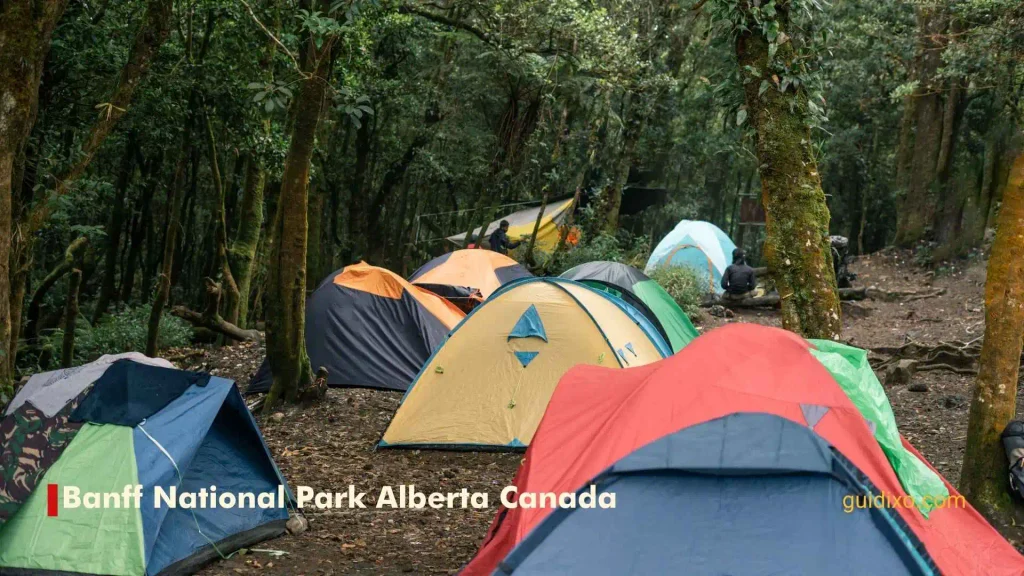
Nestled in the Canadian Rockies, Banff is defined by its vibrant, turquoise-colored glacial lakes and jagged, snow-dusted peaks.
- What Makes It Special: The combination of luxury mountain town amenities and deep wilderness accessibility.
- Best Time to Visit: Mid-July to late August.
- Estimated Budget: $300–$600/week.
- Local Food to Try: Alberta beef steak.
- Fun Fact: Banff was Canada’s first national park, established in 1885.
3. Zion National Park, Utah, USA
Zion offers a stark, beautiful contrast to forest-based camping. The towering cream, pink, and red sandstone cliffs frame the Virgin River, creating a canyon wonderland.
- What Makes It Special: The unique ability to hike inside the river canyon itself (The Narrows).
- Best Time to Visit: Spring or Fall to avoid extreme desert heat.
- Estimated Budget: $200–$400/week.
- Local Food to Try: Navajo Tacos.
- Fun Fact: Zion Canyon is 15 miles long and up to half a mile deep.
4. Acadia National Park, Maine, USA
Where the mountains meet the sea, Acadia provides a distinctly East Coast experience. It is famous for its rocky shorelines and granite peaks.
- What Makes It Special: You can watch the first sunrise in the United States from the summit of Cadillac Mountain.
- Best Time to Visit: September to early October for autumn foliage.
- Estimated Budget: $250–$500/week.
- Local Food to Try: Maine lobster rolls.
- Fun Fact: It is one of the most visited national parks in the country despite its relatively small size.
5. Olympic National Park, Washington, USA
Olympic is three parks in one: rugged Pacific coastline, temperate rain forest, and glacier-capped mountain peaks.
- What Makes It Special: The incredible biodiversity, ranging from tide pools to ancient moss-covered trees.
- Best Time to Visit: July through September for the driest weather.
- Estimated Budget: $250–$450/week.
- Local Food to Try: Fresh Pacific oysters.
- Fun Fact: The Hoh Rainforest receives up to 140 inches of rain annually.
Hidden Gems for the Adventurous
If you prefer solitude, consider these less-traveled locales:
- Great Basin National Park, Nevada: Incredible stargazing and ancient Bristlecone Pine forests.
- The Apostle Islands, Wisconsin: Sea kayaking to island campsites on Lake Superior.
- Dinosaur Provincial Park, Alberta: A UNESCO site with a lunar-like landscape and rich fossil beds.
How to Choose the Right Destination
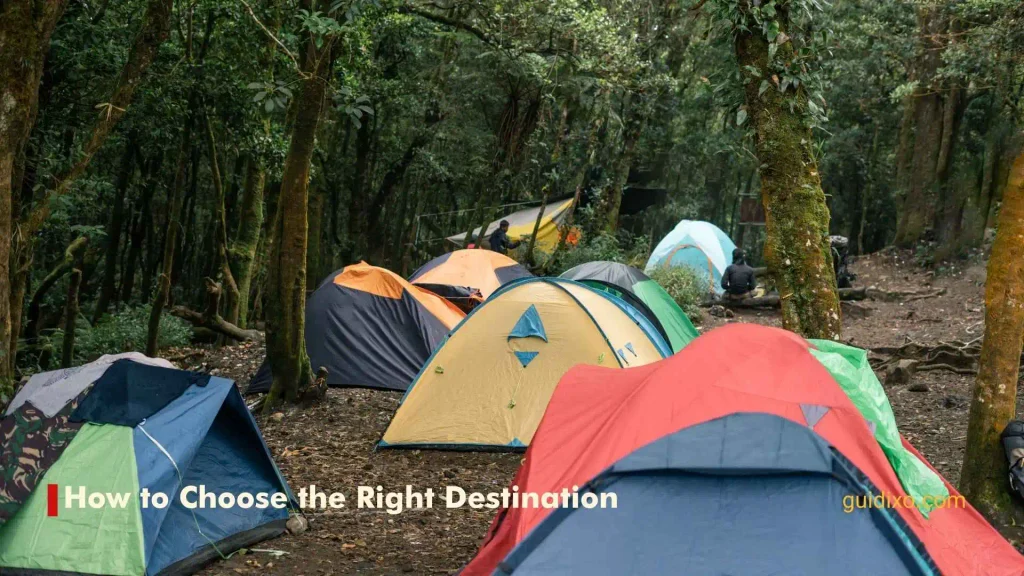
Selecting a campsite depends on your specific needs:
- Family Needs: Look for “developed” campgrounds with flush toilets, potable water, and nearby playgrounds.
- Adventure Level: If you want solitude, look for “dispersed” or “backcountry” camping permits.
- Weather: Check elevation. High-altitude sites can freeze even in July.
- Accessibility: Use booking platforms like Recreation.gov or provincial park websites to verify if a site is accessible by vehicle.
Travel Costs: A Practical Breakdown
| Category | Budget Friendly | Mid-Range | Luxury/Glamping |
| Accommodation | $20–$40/night | $50–$100/night | $150+/night |
| Food | $15–$25/day | $30–$50/day | $60+/day |
| Activities | $0–$10/day | $20–$50/day | $100+/day |
Best Time to Visit
- Peak Season (June–August): Best weather, but highest crowds. Book sites 6–12 months in advance.
- Shoulder Season (May/September): Ideal balance of weather and crowd density.
- Off-Season (Winter): Best for solitude, but requires specialized cold-weather gear and experience.
Safety and Ethics
- Leave No Trace: Pack out everything you pack in. Always respect wildlife by storing food in bear-proof canisters.
- Fire Safety: Only build fires in designated rings. Extinguish them completely with water until cool to the touch.
- Communication: Cell service is unreliable. Carry a satellite messenger or a physical map.
Essential Packing Checklist
- Shelter: Weather-rated tent with a sturdy rainfly.
- Sleep System: A sleeping bag rated 10 degrees lower than the expected low.
- Nutrition: Portable stove, fuel, and water filtration system.
- Navigation: Offline GPS maps and a reliable headlamp with extra batteries.
- Clothing: Synthetic layers (avoid cotton, which stays wet and cold).
Frequently Asked Questions
How far in advance should I book campsites?
Popular national parks often require booking 6 to 12 months in advance. Many sites release reservations at 8:00 AM local time on a rolling basis. Always check the official website of the park to understand their specific reservation window.
What is the difference between dispersed and developed camping?
Developed camping provides amenities like fire pits, picnic tables, restrooms, and water. Dispersed camping (or boondocking) involves setting up a tent or vehicle on public lands outside of designated campgrounds. It is free but offers no facilities, requiring complete self-sufficiency.
Is it safe to camp alone?
Yes, solo camping is safe if you are well-prepared. Always notify someone of your itinerary and expected return time. Choose a well-traveled campsite for your first solo trip, and always trust your intuition if you feel uncomfortable in a specific area.
How do I keep food safe from animals?
Use bear-resistant food containers or metal bear lockers provided at the site. Never keep scented items (toothpaste, snacks, soap) inside your tent. Hang your food according to local park regulations to prevent attracting bears or raccoons to your sleeping area.
What if it rains during my trip?
Camping in the rain is manageable with the right gear. Ensure your tent has a waterproof ground tarp and a rainfly. Keep your sleeping gear in a dry bag. If rain is heavy, focus on waterproof outerwear and prioritize keeping your sleeping area bone-dry.
Can I have a campfire anywhere?
No. Fire restrictions are common, especially in arid regions. Always check the current fire danger level at the ranger station or park website before arriving. Use only designated rings to prevent forest fires and never leave a fire unattended.
What should I do if I encounter wildlife?
Keep your distance. Never approach or feed animals. If you see a bear, do not run; stand your ground, make yourself look large, and speak in a calm, firm voice while slowly backing away.
What is the best way to filter water?
Bring a dual-stage water filter or a chemical treatment (like iodine or chlorine dioxide tablets). Even clear mountain streams can contain parasites like Giardia. Filtering your water is essential to avoiding illness in the backcountry.
Key Takeaways
- Prioritize Booking: High-demand parks require reservations months ahead of time.
- Master the Basics: Invest in high-quality, weather-appropriate gear to ensure safety and comfort.
- Respect Nature: Follow Leave No Trace principles to keep these beautiful places pristine.
- Match the Trip to the Traveler: Choose between developed sites for families or backcountry permits for solitude.
Conclusion
Camping is one of the most rewarding ways to experience the planet’s diverse beauty, from the red rocks of Utah to the coastal forests of Maine. By selecting the right destination, preparing with the correct gear, and respecting the natural environment, you turn a simple trip into a lifelong memory. Whether you are seeking the serenity of a quiet forest or the dramatic majesty of high-altitude peaks, the best places to camp are those that challenge, inspire, and reconnect you with the natural world. Start planning your next wilderness escape today.
