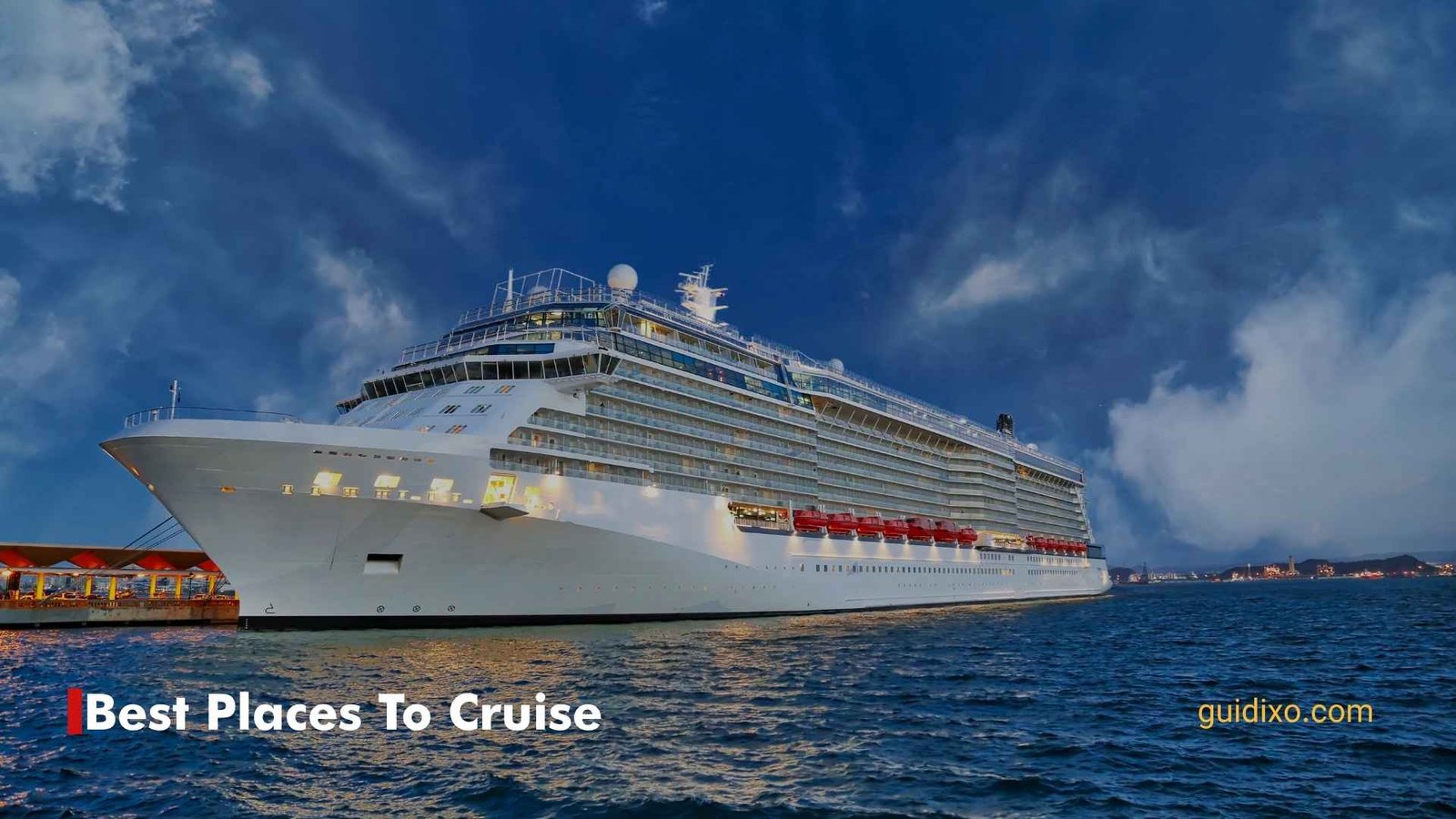
Stepping onto a cruise ship is more than just booking a vacation; it is an invitation to explore the world’s most iconic waterways from the comfort of a floating resort.
If you are chasing the midnight sun in the Arctic, navigating the turquoise labyrinths of the Caribbean, or witnessing the dramatic glaciers of Alaska, finding the best places to cruise is the first step toward an unforgettable journey. This guide is crafted for everyone from first-time voyagers to seasoned sailors, providing the insights you need to select a destination that perfectly aligns with your thirst for adventure, relaxation, and discovery.
Quick Answer
The best places to cruise are determined by your personal travel preferences. For sunshine and beaches, the Caribbean and Mediterranean are unmatched. For breathtaking landscapes and wildlife, Alaska and the Norwegian Fjords are premier choices. If you seek adventure and remote wilderness, the Galapagos Islands and Antarctica provide once-in-a-lifetime experiences. Each destination offers a distinct climate, cultural immersion, and activity level.
Quick Comparison Table
| Place | Location | Best For | Top Attraction | Best Time to Visit | Adventure Level |
| Alaska | North America | Wildlife | Glacier Bay | June–August | High |
| Caribbean | Atlantic | Beaches | Private Islands | December–April | Low |
| Mediterranean | Europe | History | Amalfi Coast | May–September | Moderate |
| Norwegian Fjords | Europe | Scenery | Geirangerfjord | June–August | Moderate |
| Galapagos | South America | Nature | Unique Wildlife | Year-round | High |
| Antarctica | Southern Ocean | Exploration | Icebergs | November–March | Very High |
| French Polynesia | South Pacific | Relaxation | Bora Bora | May–October | Low |
Best Places to Cruise
1. Alaska, USA
Alaska remains the gold standard for cruisers seeking raw, unfiltered nature.
- Why it made the list: The combination of massive glaciers, abundant wildlife, and accessible ports makes it ideal for families and photographers.
- Top Attractions: Glacier Bay National Park, Tracy Arm Fjord, Mendenhall Glacier.
- Travel Tip: Book a balcony stateroom; the scenery is constant, and you will want a private space to view breaching whales.
2. The Caribbean
The quintessential cruise destination, famous for its predictable sunshine and clear blue waters.
- Why it made the list: It offers the most variety in ship types, from massive family-focused vessels to intimate luxury yachts.
- Top Attractions: The Bahamas, US Virgin Islands, St. Lucia.
- Travel Tip: Avoid hurricane season (late August to October) to ensure smooth sailing and better port access.
3. The Mediterranean
A cultural treasure trove where ancient history meets coastal glamor.
- Why it made the list: It allows visitors to explore iconic cities like Rome, Athens, and Barcelona without the hassle of multi-hotel logistics.
- Top Attractions: Santorini, Amalfi Coast, Dubrovnik.
- Travel Tip: Wear comfortable walking shoes—European cobblestones are unforgiving, and shore excursions are often intensive.
4. Norwegian Fjords
Norway offers a dramatic landscape of deep, narrow inlets and towering waterfalls.
- Why it made the list: It is arguably the most scenic cruise corridor in the world, offering serene, awe-inspiring views.
- Top Attractions: Geirangerfjord, Flåm Railway, Bergen.
- Travel Tip: Pack layers; the weather in the fjords can shift from bright sunshine to chilly mist in minutes.
5. Galapagos Islands
A destination for the curious traveler, this is a cruise focused on education and environmental respect.
- Why it made the list: The unique wildlife, which has no fear of humans, makes for an unmatched interaction with nature.
- Top Attractions: Isabela Island, North Seymour, Charles Darwin Research Station.
- Travel Tip: Choose a small-ship expedition cruise; the experience is significantly more intimate and impactful than large cruise line options.
6. Antarctica
The ultimate frontier for the intrepid cruiser.
- Why it made the list: It is a life-changing experience that feels like visiting another planet.
- Top Attractions: Lemaire Channel, Deception Island, penguin colonies.
- Travel Tip: Research expedition requirements thoroughly; this is not a luxury resort cruise, but a rugged journey into extreme conditions.
7. French Polynesia
The dreamy heart of the South Pacific, defined by overwater bungalows and turquoise lagoons.
- Why it made the list: It is the height of romantic travel and offers incredible snorkeling and diving.
- Top Attractions: Bora Bora, Moorea, Tahiti.
- Travel Tip: Embrace the “Polynesian Time” approach; relax and enjoy the slow pace of life rather than rushing through excursions.
Hidden Gems
- The Kimberley, Australia: A remote, rugged wilderness area accessible only by small expedition ships, perfect for those who have “done it all.”
- The Mekong River, Southeast Asia: Provides a deep, immersive cultural experience, navigating through Vietnam and Cambodia with visits to hidden temples.
- Scottish Highlands/Isles: An intimate cruise experience focusing on castle ruins, whisky distilleries, and dramatic coastal landscapes.
How to Choose the Right Destination
- Budget: Expeditions (Antarctica/Galapagos) are significantly pricier than mass-market Caribbean sailings.
- Weather: Decide if you want tropical heat (Caribbean) or cool, crisp exploration (Alaska/Norway).
- Travel Style: Are you looking for a floating party (Caribbean), an educational journey (Galapagos), or a relaxing scenic tour (Fjords)?
- Family Needs: Ensure the ship offers kids’ clubs or family-friendly excursions if traveling with children.
Travel Costs
| Category | Budget Cruise | Luxury/Expedition |
| Cruise Fare (per day) | $100–$250 | $600–$1,500+ |
| Shore Excursions | $50–$150 | $200–$500 |
| Daily Spending | $50–$100 | $150–$300 |
Best Time to Visit
- Peak Season: Summer (June–August) for Alaska and Norway; Winter (December–April) for the Caribbean.
- Shoulder Season: May or September for the Mediterranean offer better prices and fewer crowds.
- Off-Season: Late autumn and winter in Europe provide a quiet, atmospheric experience, though some attractions may have limited hours.
Safety Tips
- Hydration: Cruise ships are dry environments; drink more water than you think you need.
- Medical: Carry a basic kit including seasickness medication, even if you don’t think you suffer from it.
- Documentation: Ensure your passport is valid for at least six months beyond your travel dates.
Packing Checklist
- Multi-Purpose Clothing: Focus on layers that can be dressed up or down.
- Sun Protection: Even in Alaska, the reflection off the water/ice is intense.
- Binoculars: Essential for wildlife spotting in Alaska, the Galapagos, and Antarctica.
- Portable Charger: Essential for long shore excursions.
Frequently Asked Questions
Which cruise line is best for families?
Large, modern lines like Royal Caribbean, Disney Cruise Line, and Carnival are best for families. They offer extensive kids’ clubs, water parks, and varied dining options to accommodate diverse tastes and ages.
Is seasickness a common problem?
Modern cruise ships are equipped with advanced stabilizers that minimize motion. However, if you are prone to motion sickness, opt for a cabin in the middle of the ship on a lower deck, where motion is most dampened.
Do I need a passport for all cruises?
If your cruise begins and ends in a foreign port, a passport is mandatory. Even for “closed-loop” cruises starting and ending in the same US port, carrying a valid passport is strongly recommended for safety and in case of emergencies.
How are shore excursions booked?
Excursions can be booked through the cruise line’s portal in advance or via third-party operators. Booking through the cruise line guarantees that the ship will wait if your tour is delayed, providing peace of mind.
Are drinks included in the fare?
Generally, no. Basic water, tea, and coffee are included, but alcohol, sodas, and specialty coffees usually require a separate purchase or a beverage package. Always check the specifics of your booking.
What is the difference between an expedition and a traditional cruise?
Traditional cruises focus on the ship’s amenities and port visits. Expedition cruises are smaller, focusing on remote areas and daily zodiac outings led by naturalists.
Are cruise ships eco-friendly?
Modern ships are increasingly incorporating cleaner fuel technologies and waste-reduction systems. However, environmental impact remains a concern. Look for lines that publish sustainability reports if this is a priority for you.
Key Takeaways
- Match your ship to your personality: Big ships for excitement, small ships for exploration.
- Plan for the seasons: Research the weather for your specific region to ensure port access.
- Book early for top itineraries: Popular destinations like Alaska sell out months in advance.
- Prioritize shore excursions: Research ports thoroughly to make the most of your time on land.
Conclusion
Finding the best place to cruise is a deeply personal process, influenced by your desire for adventure, comfort, and culture. Whether you find your joy in the icy silence of the Antarctic or the vibrant street life of a Mediterranean port, the right voyage can expand your perspective on the world. By considering the practicalities of budget, climate, and activity level, you are well-equipped to book a journey that will stay with you long after the ship has returned to port.

I am Sienna Marlowe, a passionate travel writer fascinated by beautiful places, local culture, and unforgettable experiences. I enjoy researching destinations that offer something special, whether famous or hidden. Through my writing, I help readers discover the best places to visit and find inspiration for their next adventure.
Books:
- Beautiful Places: A Guide for Curious Travellers
- Hidden Corners and Unforgettable Journeys